
 WatchSanger Tornado Damage Pre-Restoration
Y'all, this one comes in at night, so let's talk about it while it's still daylight.
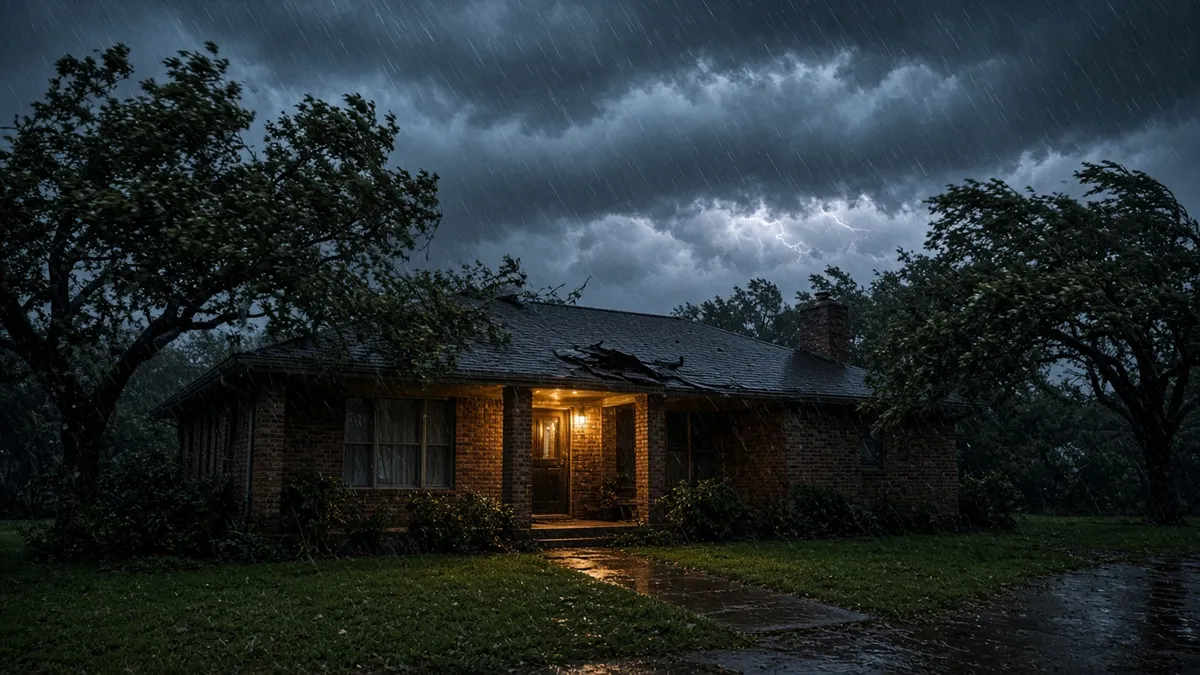
The National Weather Service in Fort Worth says a cold front will bring showers and thunderstorms across North Texas Monday night into Tuesday. Forecasters call it a low risk of severe weather overall. But they also say that as the storms spread east, they'll quickly turn into a line "capable of strong to damaging winds, quick spin up tornadoes and isolated instances of large hail," with the greatest threat across North Texas.
WFAA reports the storms could move through the Dallas-Fort Worth Metroplex overnight, with the best chance of severe weather closer to the Red River, and a windy day behind the front.
Most of us will sleep through some rain and thunder. That's the likely outcome. But "overnight" and "spin-up tornado" in the same forecast is worth taking seriously, because you can't see a storm coming at 2 a.m.
What Is a Spin-Up Tornado?
When storms form a line, forecasters call it a squall line. According to the National Weather Service, short-lived tornadoes can form inside these lines, and they can be wrapped in rain, which makes them hard to see. They tend to be weaker and shorter-lived on average than tornadoes from big, isolated supercell storms.
Here's the part homeowners miss: the same NWS guidance says the large majority of damage from these storm lines comes from straight-line winds, not tornadoes. So even if no tornado touches down near you, wind can still lift shingles, drop limbs and turn patio furniture into a battering ram.
What Should I Do Before the Storms Arrive?
- Make sure an alert will wake you up. Turn on emergency alerts on your phone, keep it charged and keep it by the bed. A NOAA Weather Radio is a great backup. Ready.gov recommends signing up for your community's warning system and learning your siren tone.
- Pick your shelter spot now. The lowest floor, an interior room, no windows. A closet or bathroom in the middle of the house works for most North Texas homes. Put shoes, a flashlight and a helmet or pillows there before bed.
- Plan for the pets. Know where they'll be so you're not hunting for the cat in the dark.
- Secure what can fly. Put away cushions, trash cans, trampolines and leftover Halloween decorations. Our crew put together a full before-the-front yard checklist.
- Take lots of video in daylight. Walk around the house and record every side of the roof from the ground, plus the gutters, windows and fence. If something changes overnight, you'll have a clear before picture.
What Should I Do If a Warning Is Issued?
Go to your shelter spot. Don't go outside to look. Ready.gov says to stay away from windows, doors and outside walls, protect your head and neck with your arms, and cover up with blankets or cushions. Stay put until the warning expires and local officials say it's clear.
What Should I Check on My Roof the Morning After?
Wait for daylight. Nothing on the roof is worth a fall in the dark or in the rain.
- Stay away from downed lines. If a power line is down in the yard or on the house, keep everyone back and call the utility.
- Stay off the roof. Walk the property and look from the ground. Missing shingles, creased tabs, shingles lying in the yard, bent vents and dented gutters all tell a story. Here's how wind damage differs from hail damage.
- Look at the trees. Hanging limbs over the house are the next problem waiting to happen. Our landscaping team explains why to trim trees away from your roof.
- Check the attic and ceilings. Look for wet decking, damp insulation and fresh stains. If water got in, act fast. Here's what to do about a roof leak during a storm.
- Check the windows and screens. Flying debris is hard on glass. Read about hail damage to windows and screens.
- Take lots of video again. Same walk, same angles as the night before. That before-and-after is the best record you can keep.
- Do what you safely can to prevent more damage. Move belongings away from leaks and get water cleaned up. It's the homeowner's responsibility to do everything within their control to keep the damage from getting worse.
Watch: What Tornado Damage Really Looks Like
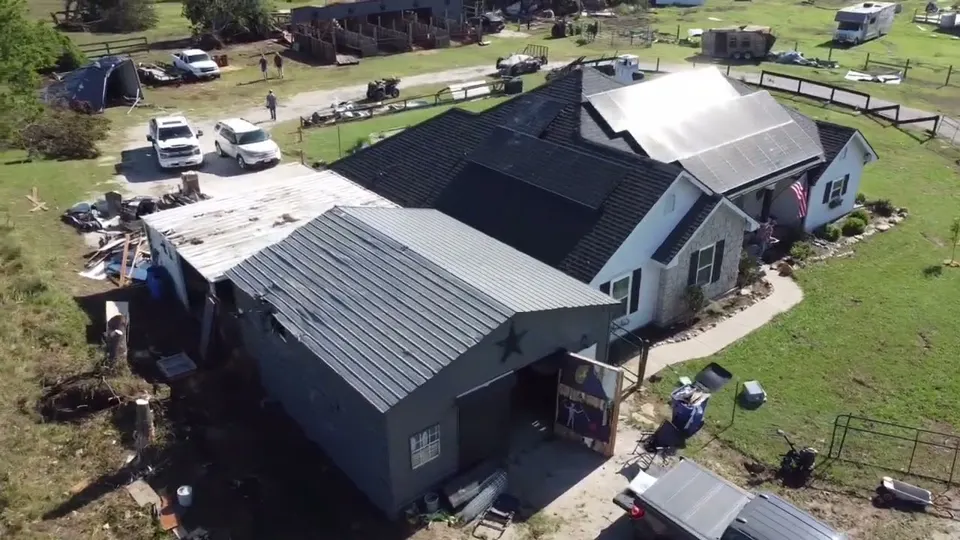
The video on this page shows tornado damage to a home in Sanger before restoration started. Watch it and you'll see why the first walk-through matters. Tornado and wind damage isn't always just the roof. It can be the structure, the windows, the siding and the water that follows.
Some projects require more than a new roof. That's when it helps to have one team for mitigation and rebuild.
Who Should I Call After Storm Damage?
Be careful who you let on your roof. After every storm, crews roll in from out of town and knock on doors. Know how to spot a storm chaser roofer before you sign anything.
When you call G3, we inspect, document and show you what we found with photos and video. Here's exactly how a roof inspection after a storm works. We're based in Argyle, TX, and we're a lot more than a roofing company. If water got inside, our CMDR Restoration team handles the mitigation and G3 handles the rebuild.
Stay safe first. Then tell us what's happening, and we'll help you understand your next step.
STORM DAMAGE? CALL G3 AT (945) 300-9018.
Frequently Asked Questions
What is a spin-up tornado?
It's a short-lived tornado that forms inside a line of thunderstorms. The National Weather Service says these tornadoes can be wrapped in rain, which makes them hard to see, and they tend to be weaker and shorter-lived than tornadoes from isolated supercell storms.
Where should I shelter during a tornado warning at night?
Go to the lowest floor, in an interior room with no windows, such as a closet or bathroom. Stay away from windows, doors and outside walls, and protect your head and neck.
How can I tell if my roof was damaged by wind?
From the ground, look for missing, lifted or creased shingles, shingles in the yard, bent vents and damaged gutters. Check the attic and ceilings for wet spots. Stay off the roof and schedule an inspection.
What should I do first after storm damage to my home?
Make sure everyone is safe and stay away from downed power lines. Then record video of the damage, stop any active leak you safely can, and call G3 at (945) 300-9018 for an inspection.
Keep learning: see our Roofing & Storm Damage page, read When Is Hail Season in North Texas? Why Fall Storms Count Too, or read what homeowners say in our customer reviews.
Know Your Next Step
Tell Us What's Happening.
We'll help you understand how G3 can help. Call (945) 300-9018 or use the button below.
SCHEDULE AN INSPECTION