
 WatchSome Projects Require More Than a New Roof
Electrical fire warning signs are easy to shrug off. A light flickers, an outlet feels a little warm, a breaker trips and you flip it back on. Most of the time nothing happens. But these are the small signals a house gives you before a big problem, and the time of year when they matter most is right now: cold nights, a houseful of family and holiday lights all pulling on the same outlets. Let's get in the know.
Why Do Electrical Fires Spike in Cold Weather and the Holidays?
The first cold nights and the holidays bring heaters, cooking and lights onto the same outlets. That's when the space heaters come out of the closet, the oven runs all day, the guest room gets an electric blanket and the Christmas lights go up. Every one of those loads runs through wiring and outlets that sat quiet all fall.
Why Do Electrical Fires Matter in North Texas Homes?
The National Fire Protection Association estimates that in recent years, U.S. fire departments responded to an average of about 46,700 home fires a year involving an electrical failure or malfunction or electrical equipment. Those fires caused an estimated 527 deaths each year. Electrical fires were about 13% of home fires but 18% of home fire deaths.
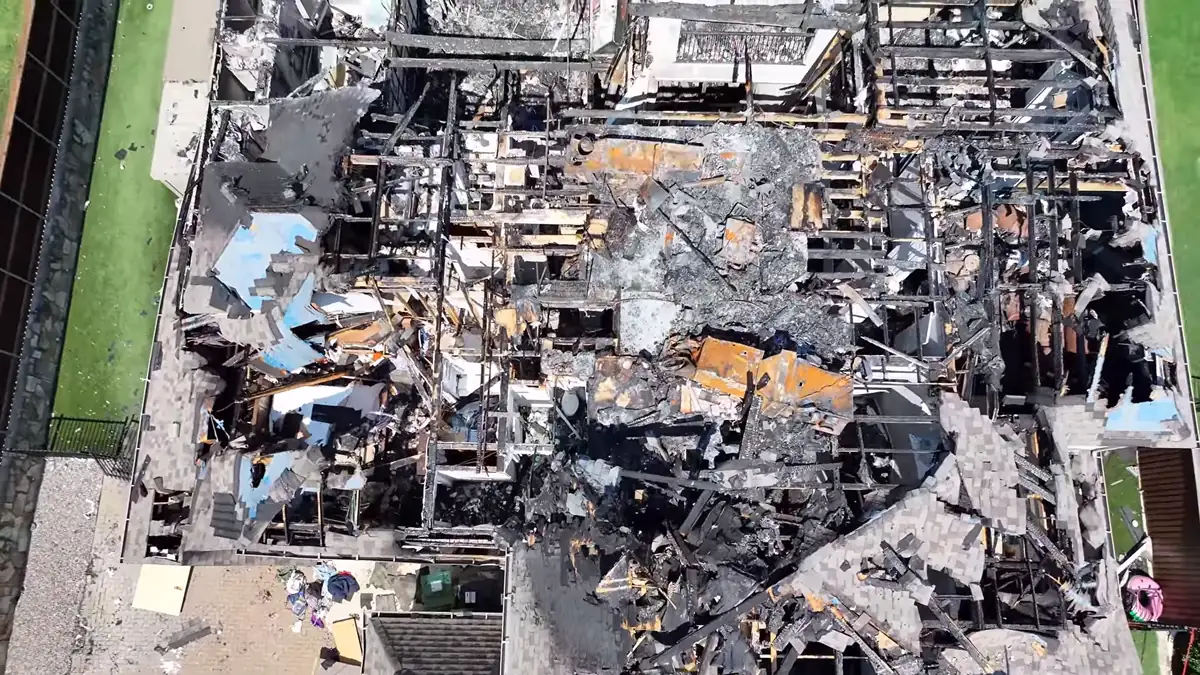
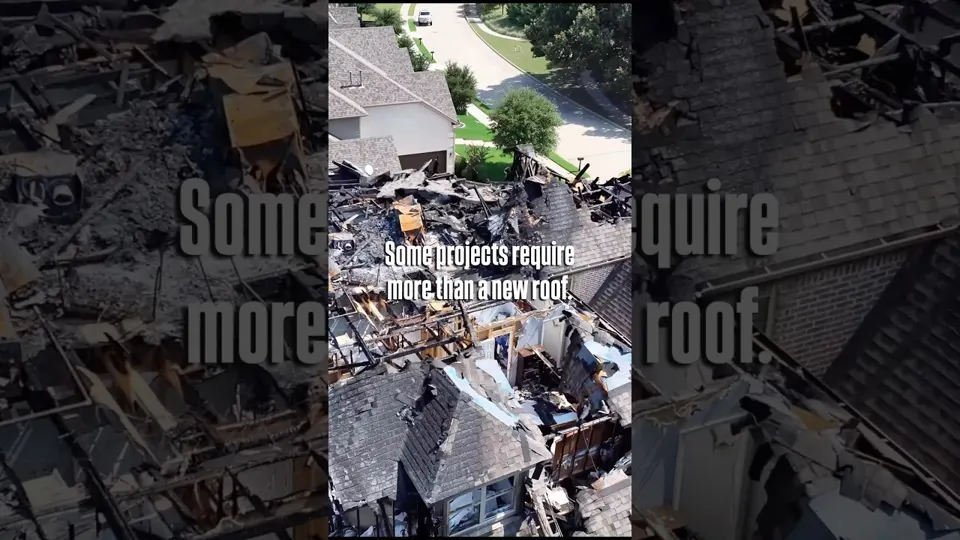
Where they start matters, too. The NFPA says home electrical fires most often began in the kitchen or cooking area, a bedroom, or the attic or ceiling. Two of those three are places you aren't watching. A fire in an attic or a wall can burn a long time before anyone smells smoke, and by then it's a roof, framing and smoke-in-every-room job. We've seen what that leaves behind. The photo at the top of this page is a frame from one of our own fire-damage flyover videos.
What Are the 6 Electrical Fire Warning Signs?
The NFPA says to call a qualified electrician (or your landlord) if you have any of these:
- Breakers that trip or fuses that blow over and over. A breaker trips to protect the circuit. If it keeps happening, the circuit is telling you it's overloaded or something is wrong. Don't just keep resetting it.
- A tingling feeling when you touch an appliance. That's electricity going where it shouldn't.
- Wall outlets that are warm or discolored. Brown or black marks around a receptacle, or a cover plate that's warm to the touch, are not normal.
- A burning or rubbery smell from an appliance. Unplug it if it's safe to, and stop using it.
- Lights that flicker or dim. Especially when a big appliance or a space heater kicks on.
- Sparks from an outlet.
If you see smoke or flames, get everyone out and call 911. Don't try to investigate a hot wall yourself.
What Should I Do Before the Cold Nights and Holiday Lights?
None of this is complicated. It just takes paying attention to the details. Straight from the NFPA and the U.S. Fire Administration:
- One heat-producing appliance per outlet. Space heaters, coffee makers, toasters and roasters each get their own. That's a big one on Thanksgiving.
- Plug major appliances straight into the wall. Refrigerators, stoves, washers and dryers don't go on extension cords or power strips.
- Treat extension cords as temporary. Don't run them under rugs or across doorways, and replace any cord that's worn or damaged.
- Don't overload power strips, and use ones with internal overload protection.
- Replace outlets that won't hold a plug snugly, and never force a 3-prong plug into a 2-slot outlet.
- Test your AFCI and GFCI outlets and breakers monthly. The NFPA recommends it, following the manufacturer's instructions.
- Have electrical work done by a qualified electrician. This is not a weekend YouTube project.
For dryer vents, smoke alarms and the rest of the list, see our checklist of other common home fire starters.
Running a space heater? Read our space heater and fireplace safety guide first. Putting up lights? Our Christmas light electrical safety guide covers outdoor cords, timers and GFCIs, and our holiday fire safety guide covers trees, candles and cooking. And if you'd rather not run cords across the yard at all, our holiday lighting crew designs, installs and takes down custom-fit lights for you.
What If There's Already Been a Fire?
Get out, stay out and call 911. Once the fire department releases the house, take lots of video of every room before anything gets moved. Then walk through what to do after a house fire.
Even a small electrical fire leaves smoke and soot through the house, and the water used to put it out causes its own damage. The sooner the home is secured and cleanup starts, the less secondary damage there is.
How G3 and CMDR Help After a Fire
CMDR Restoration handles board-up, soot, odor and water from firefighting. G3 Construction documents room by room and rebuilds, from structure to finishes, with one point of contact from the first call to the final walkthrough. Watch the video on this page to see why some projects require more than a new roof.
We hope you never need us for this. Check that warm outlet today.
Know Your Next Step
We're based in Argyle, TX, and we'd rather help you prevent a fire than clean up after one. If a fire or smoke has already hit your home, tell us what's happening, and we'll help you understand your next step. Visit our fire and smoke restoration page to learn more.
HAD A FIRE OR SMOKE DAMAGE? CALL G3 AT (945) 300-9018.
Frequently Asked Questions
What are the warning signs of an electrical fire?
The NFPA lists breakers or fuses that trip or blow often, a tingling feeling when you touch an appliance, warm or discolored outlets, a burning or rubbery smell, flickering or dimming lights, and sparks from an outlet. Call a qualified electrician if you notice any of them.
What if my breaker keeps tripping when the Christmas lights or a space heater are on?
A breaker trips when a circuit is overloaded or has a fault. Move heaters and lights to separate circuits, keep one heat-producing appliance per outlet, and have a qualified electrician check it if it keeps happening.
Is a warm outlet dangerous?
The NFPA lists warm or discolored wall outlets as a reason to call a qualified electrician. Stop using that outlet until it's checked.
Where do home electrical fires usually start?
The NFPA says they most often start in the kitchen or cooking area, a bedroom, or the attic or ceiling.
Who do I call after an electrical fire in North Texas?
After the fire department releases the home, call G3 at (945) 300-9018. CMDR Restoration handles board-up, soot, odor and water, and G3 Construction rebuilds.
Keep learning: see our Fire & Smoke page, read Contents Inventory After a Fire: How to Get Organized, or read what homeowners say in our customer reviews.
Know Your Next Step
Tell Us What's Happening.
We'll help you understand how G3 can help. Call (945) 300-9018 or use the button below.
GET HELP WITH FIRE DAMAGE