
 WatchYour Christmas Lights Shouldn't Require a Trip to the ER
The boxes are coming down from the attic, the turkey is getting planned, and somebody is already asking when the tree goes up. Before the season gets rolling, let's talk about holiday fire safety, the part nobody puts on the Christmas card. Let's get in the know.
What Did the New Holiday Safety Survey Find?
UL Standards & Engagement, the nonprofit that writes safety standards for things like holiday lights and smoke alarms, just released its latest Holiday Safety Guide. It's based on a nationally representative survey of about 2,000 U.S. adults, and a few of the findings made us wince:
- 46% of holiday decorators admit to daisy-chaining power strips or extension cords, which ULSE warns can cause an electrical fire.
- Half of people with artificial trees didn't check, or aren't sure they checked, for a "Fire-Resistant" label.
- 31% of holiday home cooks have removed or disabled a smoke alarm, and 11% of those never put it back.
- 24% of holiday cooks say they don't have a fire extinguisher in or near the kitchen.
ULSE also says Thanksgiving brings the biggest jump in home cooking fires, 240% above the daily average, with Christmas Eve and Christmas Day close behind.
Why Does This Matter in North Texas?
Around here, the holidays mean full houses: grandparents in the guest room, extra food on every burner and a tree in the front window. More people, more cooking and more cords on the same old outlets add up to more risk.
Cold fronts mean the fireplace and candles come out right when the decorations go up. Set things up right now, not the night before company shows up.
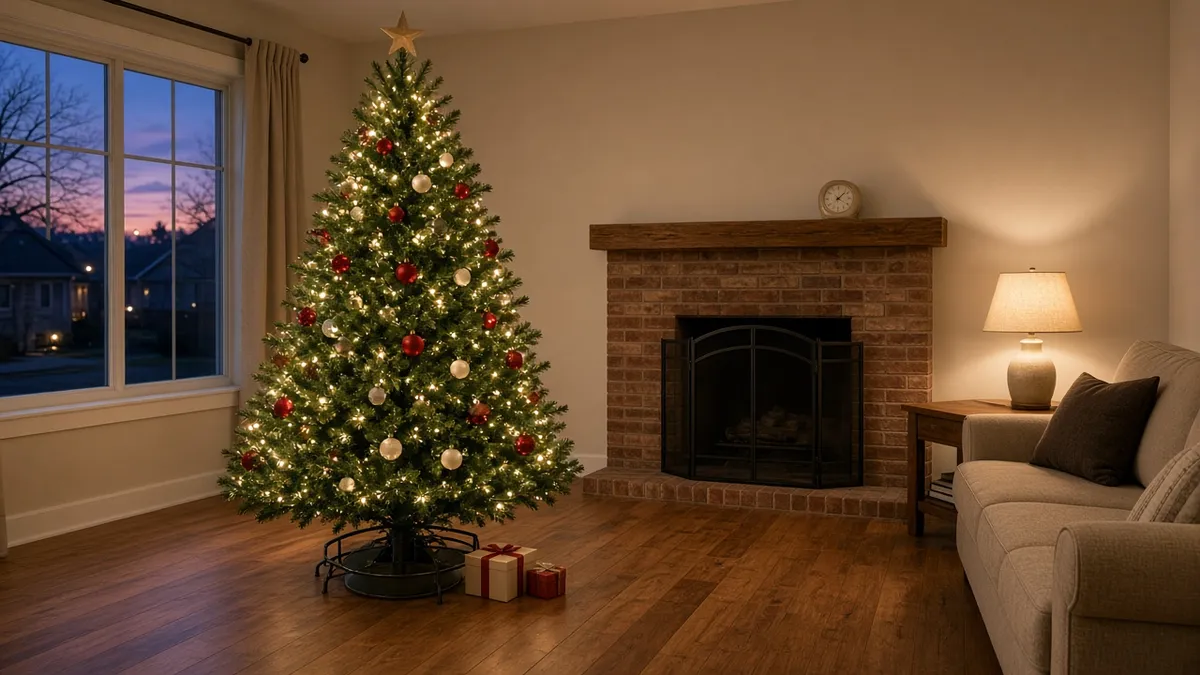
How Do I Keep My Christmas Tree From Becoming a Fire Hazard?
The U.S. Fire Administration says almost one-third of home Christmas tree fires are caused by electrical problems. Here's the short list:
- Keep it three feet back. The tree should be at least three feet from fireplaces, space heaters, candles and heat vents. And it shouldn't block a way out of the house.
- Water a real tree every day. USFA says a dry tree can burn very hot and very fast. Get rid of it after Christmas or once it's dry.
- Artificial tree? Check the label. Look for "Fire-Resistant" on the box or tag.
- Check every strand before it goes on. Toss lights with frayed or pinched wires or broken sockets. Read the instructions for how many strands you can connect.
- Lights off at bedtime. Turn off tree and decoration lights when you go to bed or leave the house. A timer makes that easy.
What's Wrong With Daisy-Chaining Cords?
Plugging power strips into power strips, or cords into cords, piles load on one outlet and one circuit. That's how cords overheat. Need more outlets than you have? Rethink the layout instead of adding another strip.
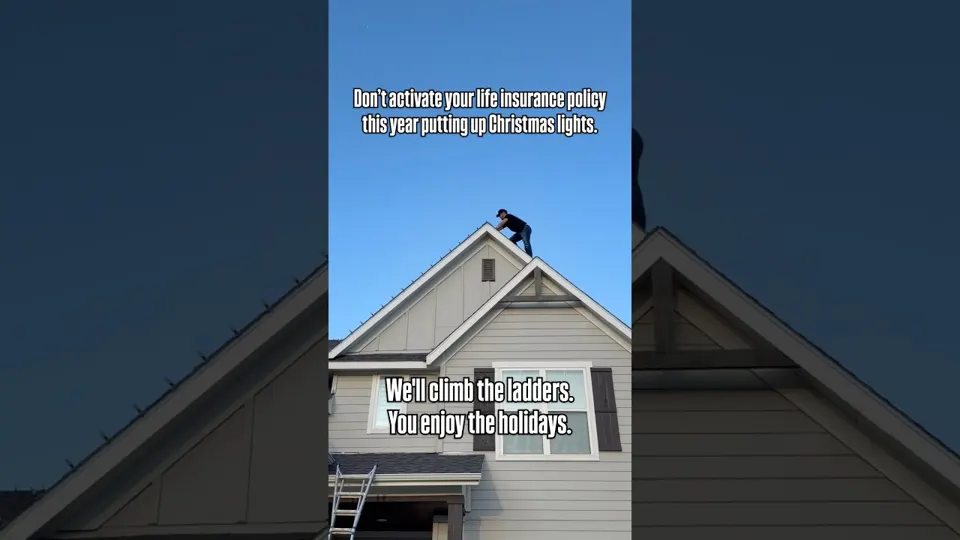
We go deeper on outdoor cords, GFCI outlets and timers in our Christmas light electrical safety guide. And if the outside display means climbing, read our ladder and roof safety tips first. Your Christmas lights shouldn't require a trip to the ER. That's the name of the video on this page, and we mean it.
How Do I Use Candles Safely During the Holidays?
USFA's rules are simple:
- Keep candles at least 12 inches from anything that can burn, like garland, curtains, wrapping paper and that pile of gift bags.
- Use sturdy holders, and put them where kids, pets and elbows can't knock them over.
- Blow them out when you leave the room or go to bed.
- Think about battery-operated flameless candles. They look the part without the flame.
How Do I Prevent a Kitchen Fire on Thanksgiving?
With cooking fires spiking on Thanksgiving, the kitchen deserves its own game plan:
- Test your smoke alarms now. ULSE says to press and hold the test button. If you don't get a loud, piercing sound, the alarm may not be working. Test monthly. Here's where alarms should go: our smoke detector placement guide.
- Don't pull the alarm because it's annoying. If it chirps every time you sear something, fix the alarm or its location. Don't take it down.
- Keep an extinguisher handy. Keep one in or near the kitchen for small flames. If the fire is growing, get everyone out and call 911.
- Check your carbon monoxide alarms. ULSE notes that 54% of holiday home cooks don't have a CO alarm in the kitchen area, and an alarm is often the first warning.
- Stay with the stove. Keep kids, pets, towels and wrappers out of the cooking zone.
What If a Fire Happens Anyway?
Get out, stay out and call 911. Once the fire department releases the house, take lots of video of every room before anything gets moved. Even a small fire can push smoke and soot through the whole house.
Then walk through what to do after a house fire, and if the kitchen took the hit, read about kitchen fire damage repair. It is the homeowner's responsibility to do everything within their control to prevent additional damage, so securing the home and starting cleanup quickly matters.
How G3 and CMDR Help After a Fire
CMDR Restoration handles board-up, soot, odor and water from firefighting. G3 Construction documents room by room and rebuilds, from structure to finishes, with one point of contact from the first call to the final walkthrough.
And if you'd rather skip the ladder and the extension cord puzzle outside, G3 Holiday Lighting designs, installs and takes down custom-fit lights for your roofline. See our holiday lighting page.
We hope the only thing that gets toasted at your house this season is the turkey.
Know Your Next Step
We're based in Argyle, TX, and we'd much rather help you prevent a fire than clean up after one. If a fire or smoke has already hit your home, tell us what's happening, and we'll help you understand your next step. Visit our fire and smoke restoration page to learn more.
HAD A FIRE OR SMOKE DAMAGE? CALL G3 AT (945) 300-9018.
Frequently Asked Questions
How far should a Christmas tree be from a fireplace?
The U.S. Fire Administration says at least three feet from heat sources like fireplaces, space heaters, candles and heat vents.
Is it safe to plug power strips into each other?
No. Plugging power strips or extension cords into each other, called daisy-chaining, can cause an electrical fire, according to UL Standards & Engagement.
How far should candles be from decorations?
USFA recommends keeping candles at least 12 inches from anything that can burn, in stable holders where they can't be knocked over.
Why are cooking fires more common on Thanksgiving?
More people cook bigger meals at the same time. UL Standards & Engagement reports Thanksgiving has the largest increase in home cooking fires of any holiday.
Who do I call after a house fire in North Texas?
After the fire department releases the home, call G3 at (945) 300-9018. CMDR Restoration handles board-up, soot, odor and water, and G3 Construction rebuilds.
Keep learning: see our Fire & Smoke page, read Kitchen Fire Damage Repair: What to Do Next, or read what homeowners say in our customer reviews.
Know Your Next Step
Tell Us What's Happening.
We'll help you understand how G3 can help. Call (945) 300-9018 or use the button below.
GET HELP WITH FIRE DAMAGE