
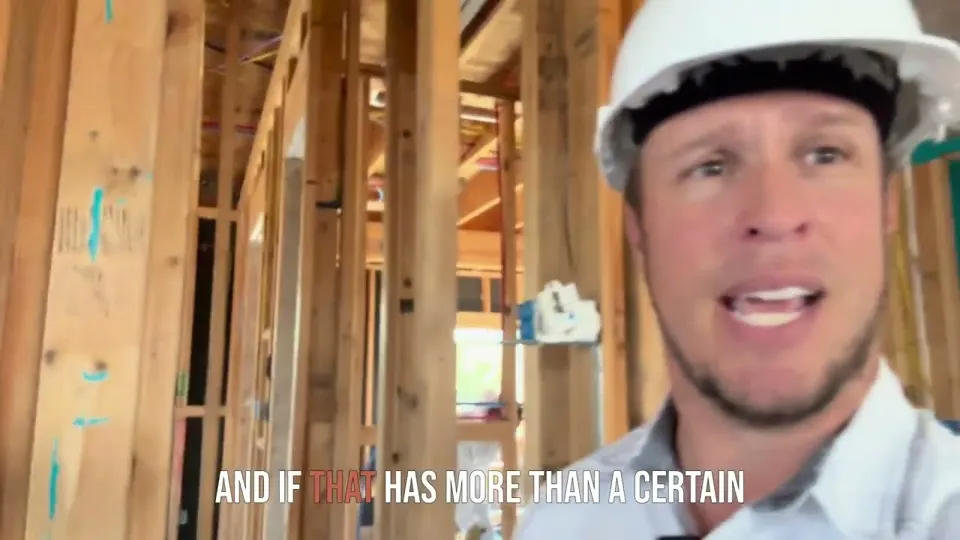
 WatchRestoring Hope: Transforming Fire-Damaged Homes
A house fire turns your life upside down in a matter of minutes. The trucks leave, the smoke clears, and you're standing in the driveway trying to figure out what happens next. We've walked a lot of families through that moment, and I want to be straight with you: you don't have to face it alone, and you don't have to figure it all out tonight. You just need to know your next step.
Here's the order we walk homeowners through, from the first hour to the day the rebuild starts.
When Is It Safe to Go Back Inside?
Not until the fire department tells you it is. That's not a formality. Fires weaken floor framing, roof decking and ceiling drywall, and a ceiling that's soaked with firefighting water can come down without warning. There can also be hot spots, damaged wiring and gas issues you can't see.
If you're cleared to go in, go in with a plan. Wear sturdy shoes, long sleeves and a mask, keep the trip short, and don't take kids or pets with you.
What Should I Grab First?
Think about the things that are hard to replace and that you'll need this week:
- Pets and anything they need
- Medications and glasses
- Wallets, IDs, checkbooks and credit cards
- Phones, chargers and laptops
- Insurance paperwork, deeds and other important documents
- Keys to vehicles and any outbuildings
Leave everything else where it is for now. Moving soot-covered contents around before they're documented and cleaned usually makes things worse.
Why Shouldn't I Wipe the Soot?
This is the one we see most often. Soot is oily and acidic. When you wipe it with a rag or a paper towel, it smears, drives into the surface, and sets. What could have been cleaned with the right process becomes a stain that has to be sealed, refinished or replaced.
Same goes for the HVAC system. Keep it off. Running the air conditioner or furnace pulls soot through the return and pushes it into every room and every duct in the house. Don't plug in electronics that were in the smoke, and don't open the fridge more than you have to.
How Do I Document the Damage?
Take lots of video. I tell every homeowner that, and I mean it. From a safe position, walk every room slowly and narrate what you see. Open closets and cabinets. Get the ceilings, the floors and the outside of the house, including the roof line and any windows that were broken out by the fire department.
Then take still photos of anything valuable or hard to describe. Don't worry about making it pretty. You want a record of how things looked before anyone started cleaning. If you want more detail on this, read our guide to fire loss documentation basics.
Who Do I Call, and in What Order?
Call your insurance carrier to report the loss. Then call us at (945) 300-9018.
Here's what happens on our side. CMDR Restoration (TDLR RCO #1801), our mitigation partner, comes out to stabilize the property. That means board-up and securing openings, tarping if the roof is open, removing water left behind by firefighting, and starting soot and odor cleanup. Water from fire hoses gets into drywall, insulation and subfloors fast, and in North Texas heat it doesn't take long before you've got a second problem on top of the first.
G3 Construction then inspects and documents the structure room by room, and we write the repair scope in Xactimate. That scope is what the rebuild is based on. One team, one file, one point of contact from the first call to the final walkthrough.
Where Will We Stay?
That depends on how much of the home was affected and whether it's safe and livable. Smoke odor alone can make a house hard to live in, even when the damage looks limited to one room. Talk to your carrier about your options and make a short-term plan for the family before you worry about the long-term one.
What Does the Rebuild Look Like?
Every fire is different. Some are a kitchen and a hallway. Some are a whole roof system and everything under it. After mitigation, G3 rebuilds the structure, from framing and roofing to drywall, cabinets, flooring, paint and trim. We keep you updated as we go and we walk the finished work with you at the end. You can see what that process looks like on our fire and smoke restoration page.
Restoration takes patience. There are steps in the process that are out of anybody's control, and I'll always tell you where things stand.
Frequently Asked Questions
Can I stay in my home after a fire?
Only if the fire department has cleared it and it's safe and livable. Smoke, soot and water damage can make a home unhealthy even when the fire itself was small.
What is board-up?
Board-up is securing broken windows, doors and roof openings so weather, animals and people can't get in. CMDR Restoration handles it as part of mitigation.
Should I start cleaning right away?
No. Wiping soot smears and sets it, and cleaning before documentation removes your record of the damage. Let the professionals handle cleanup.
Who rebuilds my home?
G3 Construction rebuilds the structure and finishes after CMDR Restoration stabilizes the property.
If you're dealing with a fire right now, tell us what's happening. Call (945) 300-9018 or use the button below to get help with fire damage.
Keep learning: see our Fire & Smoke page, read Commercial Fire Restoration for Churches and Businesses, or read what homeowners say in our customer reviews.
Know Your Next Step
Tell Us What's Happening.
We'll help you understand how G3 can help. Call (945) 300-9018 or use the button below.
GET HELP WITH FIRE DAMAGE