
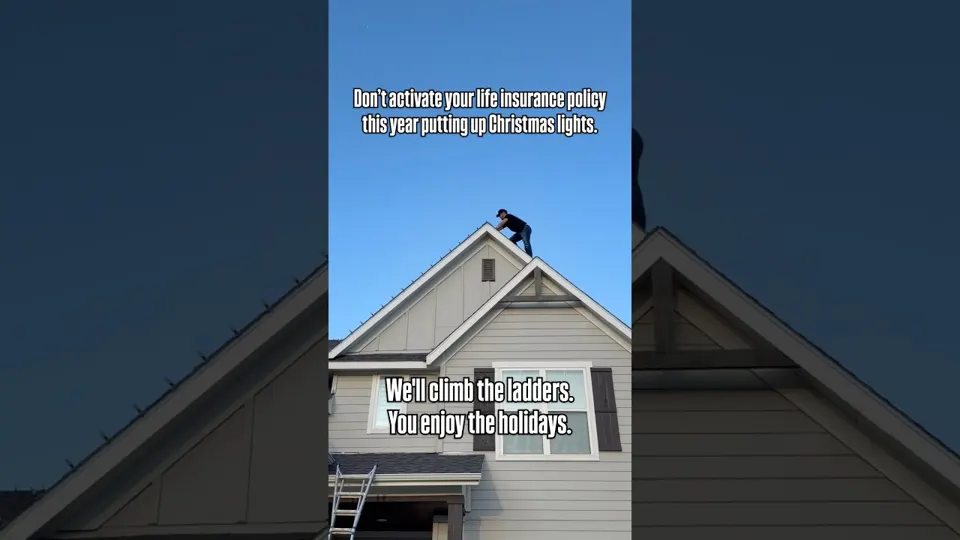
 WatchYour Christmas Lights Shouldn't Require a Trip to the ER
We rebuild homes after fires. I'd honestly rather you never need us for that. Most fire losses start with something small and ordinary: a clogged dryer vent, an overloaded outlet, a space heater too close to the couch. A little attention goes a long way.
Here's a practical checklist you can walk through this weekend. It's not a substitute for an electrician or the fire marshal, but it'll catch a lot.
How Do I Keep My Dryer From Starting a Fire?
Lint is flammable, and dryers get hot. That's a bad combination when lint builds up.
- Clean the lint screen every load. Every single one.
- Wash the lint screen now and then. Dryer sheets leave a film that blocks airflow. Rinse it with soap and water and let it dry.
- Check the vent hose behind the dryer. Crushed or kinked hoses trap lint. Plastic or thin foil hoses are a known problem; ask a pro about rigid or semi-rigid metal duct.
- Clean the vent line. Have the full run from the dryer to the outside cleaned on a regular schedule, more often if you have a long run or a big family.
- Check the outside flap. Make sure it opens when the dryer runs and isn't packed with lint or a bird's nest.
- Watch for warning signs. Clothes taking longer to dry, a dryer that's hot to the touch, or a burning smell all mean stop and get it checked.
- Don't run the dryer when you leave the house or go to bed.
Where Should Smoke Alarms Go?
Smoke alarms give you time to get out. Follow the manufacturer's instructions and your local fire department's guidance, but the general rules are:
- One inside each bedroom
- One outside each sleeping area
- One on every level of the home, including the living room level
- Test them monthly with the test button
- Replace batteries as directed and replace the alarms at the end of their service life, which is printed on the alarm
- Interconnected alarms, where one sounds and they all sound, are worth asking about
What Are the Warning Signs of an Electrical Problem?
Call a licensed electrician if you notice:
- Outlets or switch plates that are warm to the touch
- Lights that flicker or dim when appliances turn on
- Breakers that trip over and over
- A burning or hot plastic smell with no obvious source
- Scorch marks around outlets
- Buzzing or crackling from outlets or switches
Don't ignore these. They're the house trying to tell you something.
How Do I Use Space Heaters Safely?
North Texas winters are short, but when a cold snap hits, space heaters come out. Keep them at least three feet from anything that can burn: curtains, bedding, furniture and paper. Plug them straight into the wall, not a power strip or extension cord. Turn them off when you leave the room or go to sleep. Pick a heater with tip-over shutoff.
What About Fireplaces and Grills?
- Have chimneys inspected and cleaned before the season.
- Use a screen and never leave a fire unattended.
- Put ashes in a metal container with a lid, outside, away from the house, and let them cool fully. Ashes stay hot longer than people think.
- Keep grills well away from the house, the eaves and the patio cover.
What Else Should Be on the Checklist?
- Keep a fire extinguisher in the kitchen and garage and learn how to use it.
- Don't overload outlets or daisy-chain power strips.
- Store gas, paint and chemicals properly and away from heat.
- Keep the area around the water heater and furnace clear.
- Make an escape plan with two ways out of each room, and practice it with the kids.
- During the holidays, read our lighting team's holiday fire safety guide.
What If the Worst Happens Anyway?
Get everyone out, call 911 and don't go back in. Once the fire department clears the home, call your carrier, then call us at (945) 300-9018. CMDR Restoration (TDLR RCO #1801) handles mitigation, and G3 Construction rebuilds. You can read about the process on our fire and smoke restoration page.
Frequently Asked Questions
How often should dryer vents be cleaned?
Clean the lint screen every load, and have the full vent line cleaned on a regular schedule, more often for long runs or heavy use.
How many smoke alarms do I need?
Generally one in each bedroom, one outside each sleeping area and one on every level. Follow the manufacturer's and fire department's guidance.
Are warm outlets dangerous?
They can be. Stop using the outlet and call a licensed electrician.
Can I plug a space heater into an extension cord?
No. Plug space heaters directly into a wall outlet.
Prevention is the best fire plan. If you ever need us, call (945) 300-9018 or use the button below to get help with fire damage.
Keep learning: see our Fire & Smoke page, read Contents Inventory After a Fire: How to Get Organized, or read what homeowners say in our customer reviews.
Know Your Next Step
Tell Us What's Happening.
We'll help you understand how G3 can help. Call (945) 300-9018 or use the button below.
GET HELP WITH FIRE DAMAGE