
 WatchRestoring Hope: Transforming Fire-Damaged Homes
Y'all, it's a big weekend. Halloween, a little rain, and the clocks fall back. KRLD's weather team says daylight saving time ends early Sunday morning, so North Texas gets back the hour of sleep we lost in March. CBS Texas says the showers should mostly clear out before trick-or-treating, and forecasters are watching the next cold front Monday night into Tuesday.
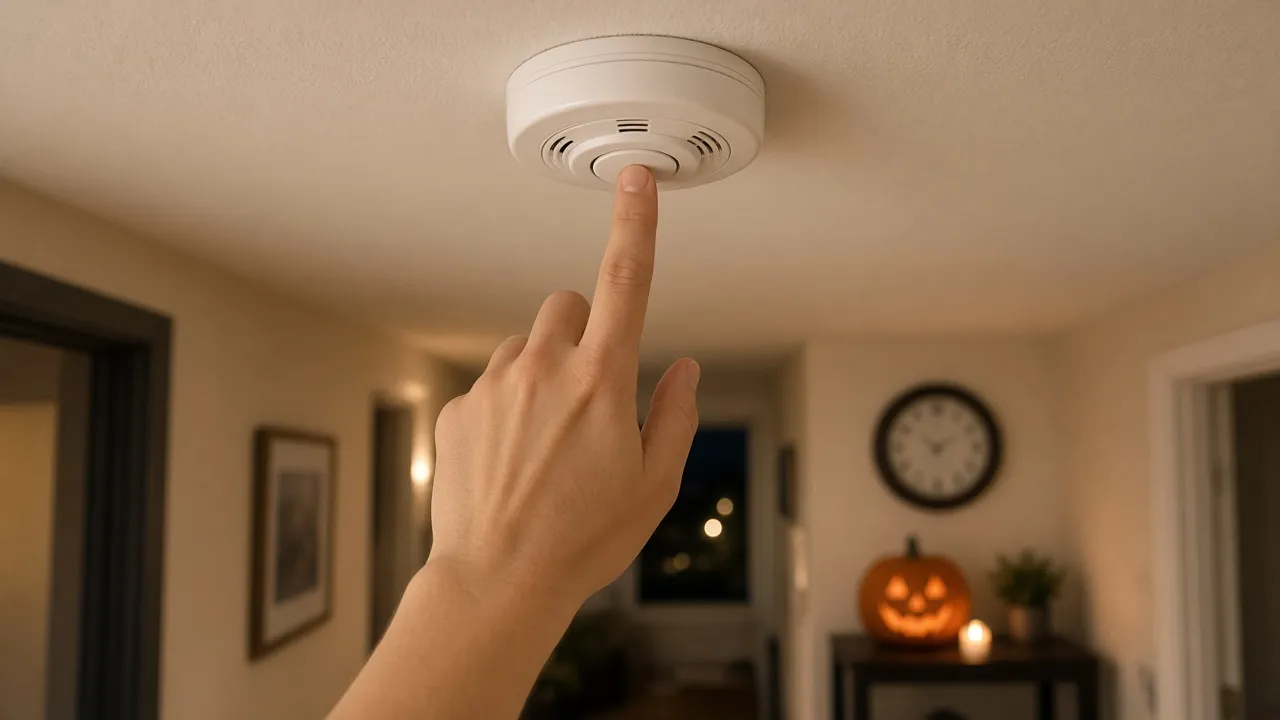
Here's our pitch for that extra hour: spend five minutes of it on your smoke alarms. You're already walking around the house changing the clock on the microwave. Make it a habit. When the clocks change, the smoke alarms get checked.
We spend a lot of time inside homes after a fire. We'd much rather you never meet us that way.
Why Bother? The Numbers Are Not Fun
This is the one serious part, so stick with us. According to the National Fire Protection Association, working smoke alarms cut the risk of dying in a home fire in half. Roughly three out of five home fire deaths happen in homes with no smoke alarms or no working ones. And in a fire, you may have as little as two minutes to get out safely.
Two minutes. That's shorter than it takes to find the remote. A working alarm buys you those minutes.
Where Do Smoke Alarms Go?
This is the part most folks get wrong. NFPA's guidance is simple:
- Inside every bedroom. Every sleeping room gets its own alarm.
- Outside each sleeping area. Think the hallway outside the bedrooms.
- On every level of the home. Upstairs, downstairs, and the basement if you've got one (rare around here, but it counts).
- On the ceiling or high on a wall. Smoke rises, so the alarm goes up high.
- At least 10 feet from the stove. That cuts down on false alarms every time somebody sears a steak. NFPA says not to put smoke alarms in kitchens or bathrooms.
- Follow the manufacturer's instructions. The little booklet in the box tells you the best spot for that model.
If you have hardwired alarms, NFPA says only a qualified electrician should install them. Same rule we live by with holiday lights. Here's more on Christmas light electrical safety.
How Do I Test a Smoke Alarm?
Grab a step stool, not a wobbly chair. Then:
- Press the test button. You want the loud beep, beep, beep. That means it's working.
- No sound? Change the battery. If the alarm still doesn't sound, or the unit is more than 10 years old, replace the whole thing.
- Check the date on the back. NFPA says every smoke alarm must be replaced 10 years after its manufacturing date. If you can't find a date, it's probably older than you think.
- Test every month after that. The clock change is your reminder to start. Monthly is the real rule.
Bonus points: get the kids to help. Let them push the button and hear what the alarm sounds like, so they know it means get out.
What Is That Chirp?
You know the one. It always starts at 3 a.m. Here's what NFPA says the sounds mean:
- Three loud beeps, over and over: smoke or fire. Get out, call 9-1-1 and stay out.
- A single chirp every 30 or 60 seconds: the battery is low. Change it.
- Still chirping after a new battery: the alarm is at the end of its life. Replace the unit.
Which Type of Smoke Alarm Should I Buy?
There are two basic types. NFPA says ionization alarms respond faster to flaming fires, and photoelectric alarms respond faster to smoldering fires. Photoelectric alarms are the better pick near kitchens and bathrooms to cut down on false alarms. For the best protection, NFPA recommends combination alarms that are interconnected, so when one sounds, they all sound. Look for an alarm listed by a recognized testing lab.
While You're Up There: The Rest of the Fall-Back Checklist
You've got the step stool out. Might as well knock out a few more:
- Clean the dryer vent. Lint is fuel. Here's our guide to dryer vents and home fire prevention.
- Swap real candles in jack-o'-lanterns for battery lights. A whole lot less exciting than a call to us.
- Plan your holiday lights the safe way. Lights season is right around the corner. Read our holiday lighting safety tips.
- Check the roof and gutters from the ground before Monday's front. Our fall roof maintenance checklist covers it.
- Start thinking about freeze prep. Cooler air is coming behind the front. Here's how to winterize outdoor faucets and irrigation backflow.
- Make an escape plan. Two ways out of every room and a meeting spot outside. Walk it with the family once.
If the Worst Happens
If you ever do have a fire, get out and let the fire department do its job. After that, the damage keeps going: smoke, soot and the water used to put it out. Here's what to do after a house fire, and why water damage after a fire needs attention fast.
That's where we come in. CMDR Restoration handles board-up, soot, odor and water. G3 Construction documents room by room and rebuilds, with one point of contact from the first call to the final walkthrough. Watch the video on this page to see how we restore fire-damaged homes.
Enjoy the extra hour, y'all. Spend five minutes of it on your alarms.
Tell us what's happening: (945) 300-9018.
Frequently Asked Questions
Where should smoke detectors be placed in a house?
NFPA says to install smoke alarms inside every bedroom, outside each sleeping area, and on every level of the home, on the ceiling or high on a wall, and at least 10 feet from the stove.
How often should I test my smoke alarms?
NFPA says to test smoke alarms once a month by pressing the test button. The clock change is a good reminder to start.
How long do smoke alarms last?
NFPA says smoke alarms must be replaced 10 years after the manufacturing date printed on the unit.
Why is my smoke alarm chirping?
A single chirp every 30 or 60 seconds means the battery is low. If it keeps chirping after a new battery, the alarm is at the end of its life and should be replaced.
Keep learning: see our Fire & Smoke page, read Smoke Odor Myths: Candles, Vinegar and Other Bad Ideas, or read what homeowners say in our customer reviews.
Know Your Next Step
Tell Us What's Happening.
We'll help you understand how G3 can help. Call (945) 300-9018 or use the button below.
GET HELP WITH FIRE DAMAGE