
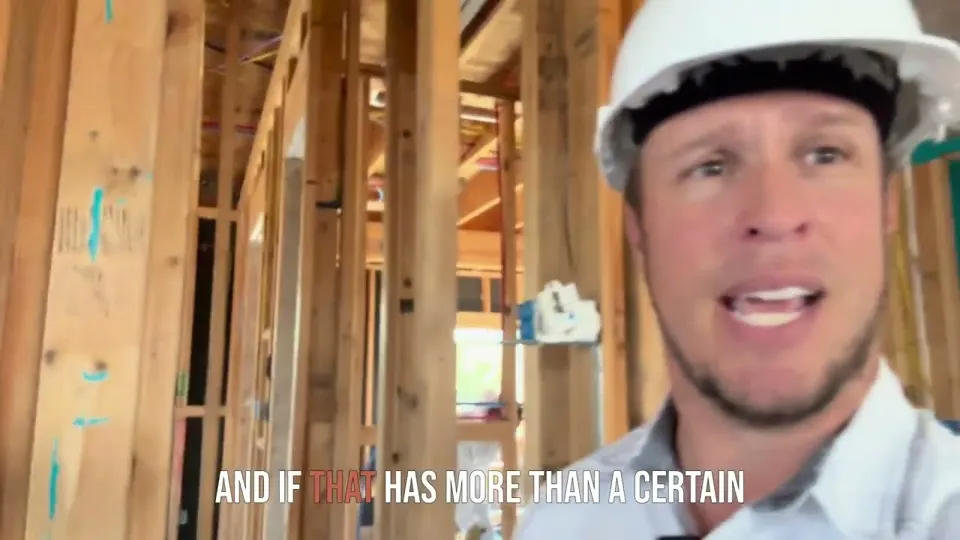
 WatchRestoring Hope: Transforming Fire-Damaged Homes
After a fire, the record you build in the first few days matters. Not because anybody's trying to trip you up, but because once cleanup starts, the evidence of what happened starts disappearing. Soot gets cleaned, wet drywall gets cut out, ruined contents get hauled off. If it wasn't documented before that, it's a lot harder to explain later.
I'm a contractor, not an adjuster, and I won't tell you what your policy covers. What I can tell you is how we document a fire loss on our side and how you can do the same for your own records.
Why Does Documentation Matter So Much After a Fire?
Fire damage spreads in ways people don't expect. Smoke travels through the attic, into closets and down the ductwork. Heat can warp windows and melt things in rooms the flames never reached. Water from firefighting soaks into walls and floors on the other side of the house.
A good record shows the whole picture, not just the burned room. That helps everyone involved understand the real scope of the work.
What Should I Record First?
Start with video. Take lots of video. From a safe spot, walk the house slowly and talk through what you're seeing:
- Start outside. Get every side of the house, the roof line, broken windows and any damage from the fire department getting in.
- Go room by room in the same order every time. Ceilings, walls, floors, then contents.
- Open closets, cabinets and drawers. Smoke gets everywhere.
- Get the attic access, the HVAC returns and the vents if you can safely see them.
- Finish with close-up photos of anything valuable, damaged or hard to describe.
Don't move things around to get a better shot. Show it the way it is.
How Do I Keep Track of Contents?
Contents are the part that overwhelms people, so break it into pieces. Work one room at a time. List what was in the room, the brand or description if you know it, roughly how old it is, and whether it's burned, smoke damaged, water damaged or fine. Pull up old photos from your phone and social media; they're often the best proof of what was in a room. Our guide on contents inventory after a fire goes into more detail.
What Receipts Should I Save?
Start a folder, paper or digital, on day one. Keep:
- Receipts for anything you buy because of the fire, like clothes, toiletries or supplies
- Hotel, meals and travel receipts if you're out of the house
- Any receipts or manuals for major items in the home
- Every piece of paperwork you get from your carrier, your mortgage company and your contractors
Write down every phone call: who you talked to and what was said. It sounds tedious. It saves headaches.
What Does G3 Document on Our Side?
When G3 inspects a fire loss, we document the structure room by room with photos and measurements, and we write the repair scope in Xactimate. That scope lays out what needs to be removed, repaired and rebuilt, from framing and roofing down to paint and trim. CMDR Restoration (TDLR RCO #1801) documents the mitigation side, including water removal, drying and soot and odor work.
We send that documentation where it needs to go so the project can keep moving. We don't negotiate your claim or tell you what you're owed. Our job is to make sure the work is clearly documented and then build it right.
What Mistakes Should I Avoid?
- Throwing things away before they're photographed and listed
- Wiping soot or scrubbing walls yourself
- Running the HVAC system
- Signing anything you don't understand. Ask questions until you do.
- Letting the paperwork pile up. Ten minutes a day keeps it manageable.
Frequently Asked Questions
Should I take photos or video?
Both. Video gives the full picture of each room, and photos capture the details of specific items and damage.
Can I throw away burned items?
Document them first with photos and a written list. Ask before you dispose of anything.
Does G3 handle my insurance claim?
No. G3 is your contractor. We inspect, document and write the repair scope, and we don't negotiate or adjust claims.
What if I don't remember everything in a room?
Use old photos, videos and online order history to jog your memory, and add to the list as things come back to you.
When you're ready for a contractor to document and rebuild, call (945) 300-9018 or visit our fire restoration page. You can also read what homeowners say in our reviews.
Keep learning: see our Fire & Smoke page, read Home Fire Prevention Checklist: Dryer Vents and More, or read what homeowners say in our customer reviews.
Know Your Next Step
Tell Us What's Happening.
We'll help you understand how G3 can help. Call (945) 300-9018 or use the button below.
GET HELP WITH FIRE DAMAGE