
 WatchRestoring Hope: Transforming Fire-Damaged Homes
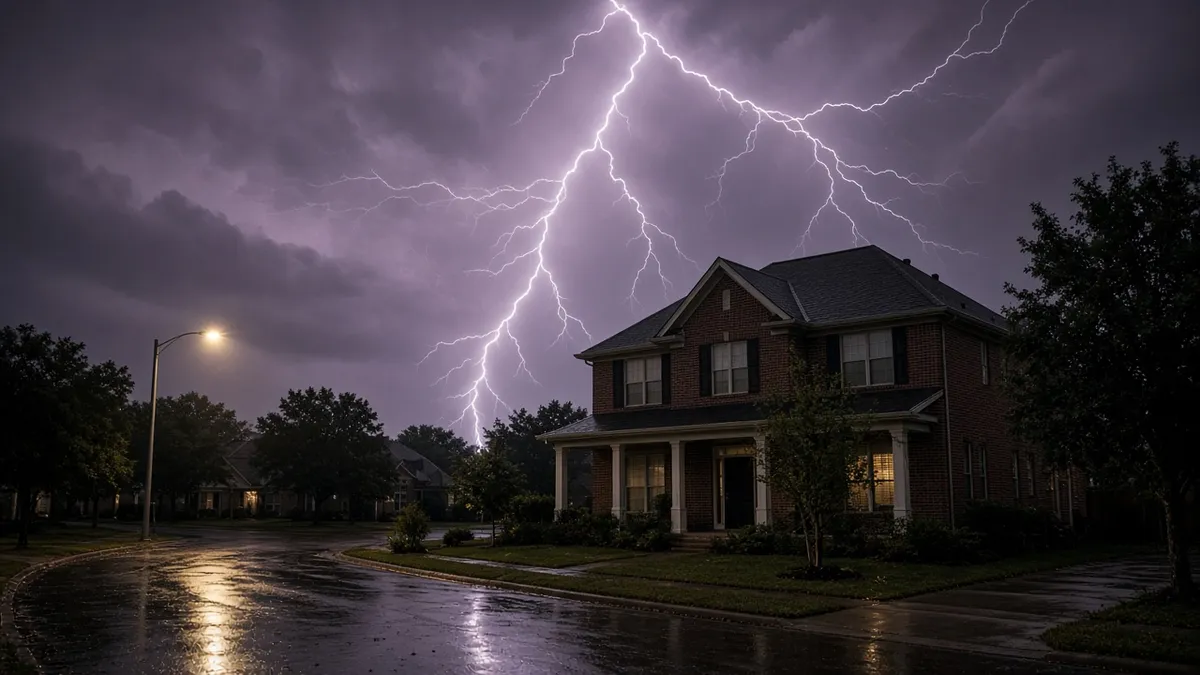
Monday night's storms brought welcome rain to North Texas. For one Collin County family, they also took their home. Our hearts go out to them, and we're grateful everyone got out safely.
What Happened
FOX 4 reports that Prosper Fire Rescue was called to a house fire around 11:30 p.m. Monday, Nov. 2. A lightning strike is believed to have hit the home about 30 minutes before the fire was reported. The family didn't realize anything was burning at first, and by the time firefighters arrived, the attic was fully engulfed. Two adults and two children made it out without injury. Prosper Fire Rescue says the home is a total loss.
It's not the first time this year. In May, the McKinney Fire Department confirmed that lightning set a McKinney home on fire, and WFAA reported more lightning house fires in Fort Worth the same day. In September, NBC 5 covered lightning fires in Celina and Prosper where crews found entire attics burning on arrival.
HEARD A STRIKE CLOSE TO YOUR HOME? CALL G3 AT (945) 300-9018.
How Lightning Starts a House Fire
The National Weather Service says lightning starts about 4,400 house fires a year in the U.S., causing around $283 million in damage. Most of those fires begin where you can't see them:
- In the attic. A strike to the roof, chimney or a vent can ignite framing, decking and insulation. Attics are dry, hot and full of fuel, and nobody is up there to notice.
- Through the gas line. Many newer homes use yellow-jacketed corrugated stainless steel tubing (CSST) for gas. Fire officials warn that a direct or nearby strike can energize it and burn a hole through it, which can leak and ignite gas. The New Hampshire fire marshal's CSST bulletin says the risk can be reduced by proper bonding.
- Through the wiring. A surge can travel in on power, cable or phone lines and damage outlets, appliances and wiring inside the walls.
The scary part is the delay. In Prosper, about 30 minutes passed between the strike and the fire call.
WORRIED ABOUT YOUR ATTIC AFTER A STORM? CALL G3 AT (945) 300-9018.
Warning Signs After a Nearby Strike
If you hear a strike that sounds like it hit your house or the house next door, don't wait for smoke alarms. Check for:
- A smell of burning wood, plastic or hot wiring
- A haze or smoke near ceilings, the attic hatch or vents
- Lights flickering, a tripped breaker or outlets that suddenly don't work
- A hissing sound or rotten-egg smell (possible gas leak)
- Scorch marks or damage on the roof, chimney or siding
If you see or smell anything, get everyone out and call 911. Even if you only suspect a strike, you can call the fire department's non-emergency line and ask them to check. Many departments use thermal imaging cameras that can find heat hiding in an attic or wall. Never climb into the attic during a storm to look for yourself.
ANY SIGN OF FIRE? GET OUT AND CALL 911. THEN CALL G3 AT (945) 300-9018.
Protecting Your Home From Lightning
You can't stop lightning, and WFAA quoted Texas A&M lightning researcher Timothy Logan saying there's no guarantee a home will be spared. But you can lower the risk:
- Ask a licensed plumber or electrician to check your CSST bonding. If your home has yellow gas tubing, confirm it's bonded to the electrical grounding system as the manufacturer and code require.
- Add whole-home surge protection. A licensed electrician can install a surge protective device at the panel, with point-of-use protectors for electronics.
- Consider a lightning protection system. Rods, conductors and grounding designed and installed to NFPA 780 and UL standards give lightning a safe path to the ground. Hire a certified installer.
- Keep smoke alarms working on every level, including near bedrooms. Here's our smoke detector placement guide.
WANT YOUR ROOF AND ATTIC CHECKED? CALL G3 AT (945) 300-9018.
If Lightning Starts a Fire at Your Home
Get out, stay out and let the fire department work. Once they release the house:
- Don't turn power or gas back on until a licensed pro says it's safe.
- Take video of every room and the roof before anything is moved.
- Secure the home against rain and entry. It is the homeowner's responsibility to do everything within their control to prevent additional damage.
- Start a list of damaged belongings. Our fire damage contents inventory guide walks you through it.
Read what to do after a house fire and what to know about water damage after a fire, because the water used to fight an attic fire soaks ceilings, walls and floors below.
For insurance, read your policy and call your insurance company to ask what's covered and what they need from you. G3 is your contractor, not your adjuster. We document the damage and do the work; your insurer decides coverage.
HAD A FIRE? CALL G3 AT (945) 300-9018.
How CMDR and G3 Help After a Lightning Fire
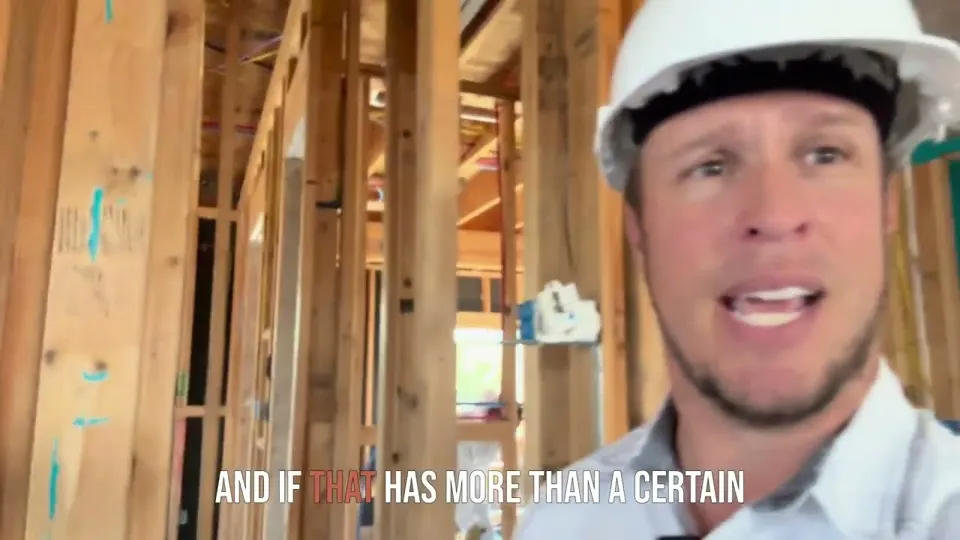
CMDR Restoration handles the first days: board-up and roof tarping, water extraction and drying, soot and odor cleanup. G3 Construction documents the damage room by room and rebuilds, from the roof structure and attic to the finished rooms, with one point of contact from the first call to the final walkthrough. Watch the video on this page to see how we restore fire-damaged homes.
We're based in Argyle, TX, and we hope you never need us for this. Visit our fire and smoke restoration page to learn more.
HAD A FIRE OR SMOKE DAMAGE? CALL G3 AT (945) 300-9018.
Frequently Asked Questions
Can lightning start a fire without me knowing?
Yes. In the Prosper fire, about 30 minutes passed between the suspected strike and the fire call, and the attic was fully engulfed by the time firefighters arrived. Fires often start in the attic where no one can see them.
What should I do if lightning hits my house but I don't see fire?
Check for burning smells, smoke, tripped breakers or a gas smell. If you notice anything, get out and call 911. If you only suspect a strike, call your fire department and ask if they can check with a thermal camera.
What is CSST and why does it matter for lightning?
CSST is flexible, usually yellow-jacketed gas tubing. A lightning strike can damage it and cause a gas leak and fire. Proper bonding reduces that risk, so have a licensed pro check it.
Do lightning rods work on homes?
A lightning protection system installed to NFPA 780 and UL standards gives lightning a safe path to the ground. It lowers risk but can't guarantee a home won't be damaged.
Who do I call after a lightning fire in North Texas?
After the fire department releases the home, call G3 at (945) 300-9018. CMDR Restoration handles board-up, water, soot and odor, and G3 Construction rebuilds.
Keep learning: see our Fire & Smoke page, read What a Drone Flyover Shows After a Fire, or read what homeowners say in our customer reviews.
Know Your Next Step
Tell Us What's Happening.
We'll help you understand how G3 can help. Call (945) 300-9018 or use the button below.
GET HELP WITH FIRE DAMAGE