
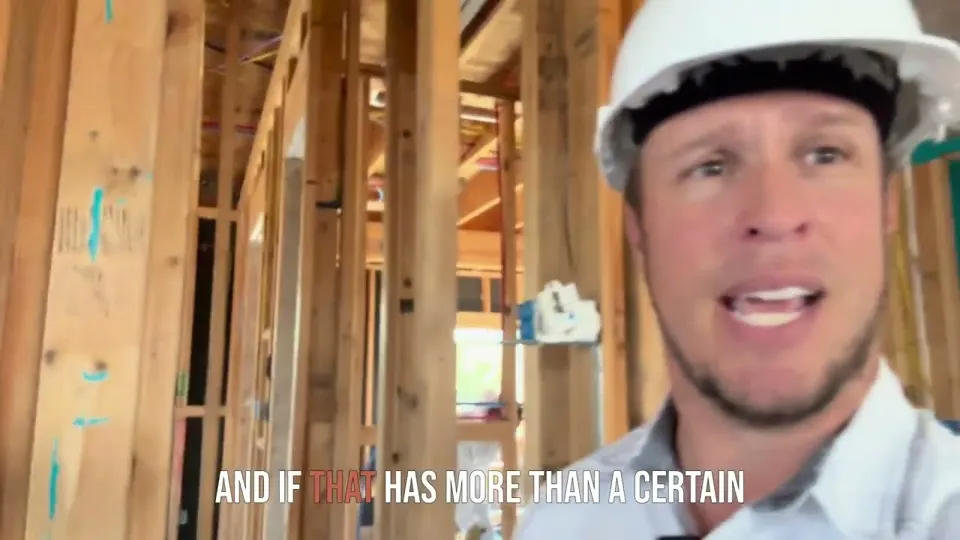
 WatchRestoring Hope: Transforming Fire-Damaged Homes
The kitchen is where a lot of house fires start. A pan of oil left a minute too long, a towel too close to a burner, an appliance that shorts out. They happen fast, and even a fire that's out in a few minutes can leave a lot of damage behind. If it spread past the kitchen, our fire damage restoration team handles the rest of the house too.
I want to be serious about this one, because kitchen fires are common and people tend to underestimate them, both in the moment and afterward.
What Should I Do During a Grease Fire?
Your safety comes first. Get people out and call 911 if the fire isn't immediately controlled. A few things the fire safety folks consistently teach:
- Never throw water on a grease fire. It can make the burning oil erupt.
- If it's small and contained in the pan, turn off the burner and cover the pan with a lid or a baking sheet.
- Don't carry a burning pan outside.
- If you have a fire extinguisher rated for kitchen fires and you know how to use it, use it. If you're not sure, get out.
- Close the door behind you if you can on the way out.
Stuff can be replaced. You can't.
Why Does a Small Kitchen Fire Do So Much Damage?
Grease fires create heavy, oily smoke. That smoke rises, rolls across the ceiling and pushes into every open space it can find: cabinets, the pantry, the attic through recessed lights and the vent hood, and the rest of the house through the HVAC returns.
So even when the flames only touched the stove and one wall of cabinets, you can end up with:
- Soot residue on ceilings and walls throughout the house
- Smoke odor in drywall, insulation, carpet and fabrics
- Heat damage to cabinets, countertops and appliances
- Water damage from putting the fire out
- Damage to the wiring and the vent hood ductwork
What Should I Do After the Fire Is Out?
- Wait for the fire department to clear the home.
- Keep the HVAC system off so soot doesn't spread.
- Don't wipe soot off cabinets or walls. It smears and sets.
- Don't use the stove, vent hood or any appliance that was exposed until it's been checked.
- Throw out any food that was exposed to heat, smoke or firefighting chemicals.
- Take lots of video of the kitchen and every room around it before anything is cleaned.
- Call your carrier, then call us at (945) 300-9018.
For a full checklist, see what to do after a house fire.
How Do You Repair Kitchen Fire Damage?
First, CMDR Restoration (TDLR RCO #1801), our mitigation partner, handles the cleanup: removing burned materials, extracting water, and treating soot and odor. Kitchens take careful work because there are so many surfaces and so many places for residue to hide.
Then G3 Construction inspects and documents the damage room by room, and we write the repair scope in Xactimate. A kitchen rebuild might include:
- Cabinets, either refinished or replaced depending on the damage
- Countertops and backsplash
- Drywall and ceiling repair, sealing and paint
- Electrical repairs by a licensed electrician
- Vent hood and ductwork
- Flooring
- Appliance installation
Can Smoke-Damaged Cabinets Be Saved?
Sometimes. It depends on the material, how close they were to the fire and how deep the smoke went. Solid wood cabinets with surface soot can sometimes be cleaned, sealed and refinished. Cabinets that were heat damaged, warped or soaked usually need to be replaced. We'll tell you honestly which is which. Patching together cabinets that will smell like smoke every hot summer day doesn't do you any favors.
Is This a Good Time to Update the Kitchen?
For a lot of families, yes. If cabinets and counters are being replaced anyway, it's a natural time to think about layout or finishes. Any upgrades beyond the repair scope are written up separately so everything is clear. Our remodel page shows what that can look like.
Frequently Asked Questions
Should I put water on a grease fire?
No. Never throw water on a grease fire. Cover the pan, turn off the heat and get out if it's not controlled.
Why does my whole house smell like smoke after a stove fire?
Smoke travels through the ceiling, attic and HVAC system. The odor gets into drywall, insulation and fabrics far from the kitchen.
Can I use my stove after a small fire?
Not until it's been inspected. Heat can damage wiring, gas connections and the appliance itself.
Who rebuilds the kitchen?
G3 Construction, after CMDR Restoration handles mitigation and cleanup.
If you've had a kitchen fire, tell us what's happening. Call (945) 300-9018 or use the button below to get help with fire damage.
Keep learning: see our Fire & Smoke page, read What a Drone Flyover Shows After a Fire, or read what homeowners say in our customer reviews.
Know Your Next Step
Tell Us What's Happening.
We'll help you understand how G3 can help. Call (945) 300-9018 or use the button below.
GET HELP WITH FIRE DAMAGE