
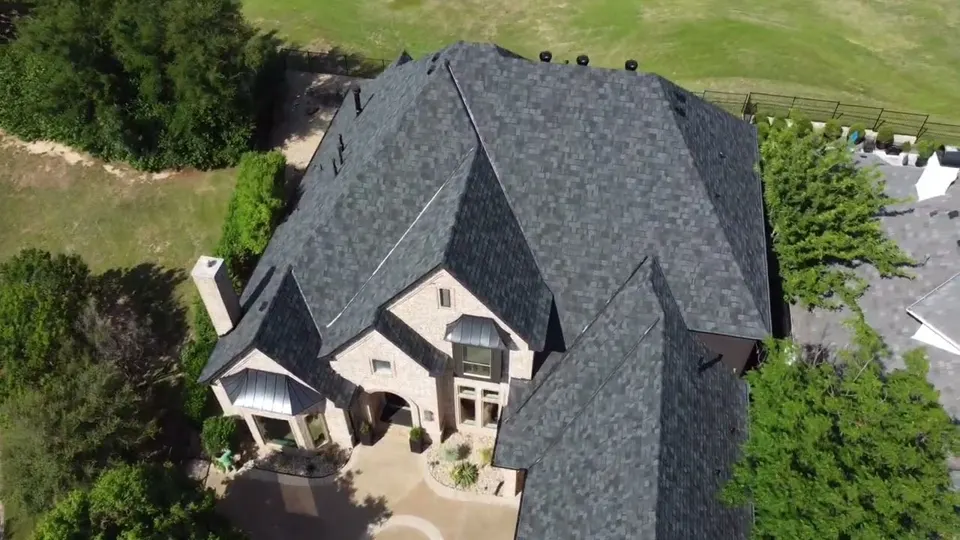
 WatchCertainTeed Belmont IR: Southlake Completed Project
Shingles are what everybody sees from the street. They're the part you pick the color for and show your neighbors. But Matthew will tell you straight: the shingles are only part of the story. What goes under and around them is what keeps water out of your house.
Here's what a quality roof replacement includes, and what we put on every G3 roof.
What Happens Before New Shingles Go On?
Tear-off. The old roof comes off down to the decking. Laying new shingles over old ones hides problems and adds weight.
Decking inspection. Once the old roof is off, we can see the plywood or decking. Soft, rotted or damaged sections should be replaced. You don't want to nail a brand-new roof into bad wood.
Protecting your property. Tarps over landscaping, care around windows and AC units, and a plan for debris. Cleanup is part of the job, not an afterthought.
What Is Underlayment, and Why Does It Matter?
Underlayment is the layer between the decking and the shingles. It's a backup barrier against water that gets past the shingles from wind-driven rain. Matthew talks about upgrading the felt as part of building a roof that lasts.
Ice and water membrane is a self-adhering waterproof layer that goes in the most vulnerable spots. Matthew explains it on a finished roof in one of our videos: on lower-slope sections, you always want ice and water. It doesn't let water through. We also use it in valleys, around penetrations and anywhere else water tends to collect.
Why Does Valley Metal Matter?
Valleys are where two roof slopes meet, and they carry a lot of water. They also take a beating from hail. Valley metal protects them from hail damage and from water working its way in. It's a detail plenty of roofers skip. We don't.
Why Do We Replace Every Vent and Flashing?
This is one Matthew feels strongly about. On our roofs, we replace all the venting and all the flashings. Code requires it, and a lot of contractors don't do it. But reusing old flashing is one of the most common reasons new roofs leak. Flashing goes around chimneys, walls, skylights and pipes, all the places where the roof meets something else.
What About Ridge Caps and Ventilation?
On our roofs, we use high-profile, impact-resistant ridge caps. They're thicker, they look sharp along the top of the roof and they protect the ridge from hail. We also look at ventilation, because a hot, poorly vented attic can shorten the life of shingles in our Texas summers.
What About the Gutters and Everything Else?
A roof is part of a system that includes gutters, downspouts, guards and the edges of the house. We reinstall gutter guards if you had them. On a lot of the homes in our videos, we install 6-inch gutter systems, which shed water off the roof quickly. Read don't forget the gutters for more.
Matthew also points out what happens when a roofer only cares about the roof: damaged gutters, screens and AC parts get left behind. We look at the whole house.
How Can I Tell If a Roofer Builds Roofs This Way?
Ask these questions:
- Do you tear off down to the decking?
- Will you replace damaged decking, and how do you handle it?
- Do you replace all vents and flashings, or reuse them?
- Where do you use ice and water membrane?
- Do you install valley metal?
- What ridge caps do you use?
- What's your workmanship warranty, in writing?
G3 backs its work with a 1-year workmanship warranty, plus whatever the manufacturer provides on the product.
Ready to Talk About Your Roof?
We'll walk you through every layer before we start. Learn more on our roofing and storm damage page, or call (945) 300-9018. Before you pick a roofer, read what homeowners say about us.
Frequently Asked Questions
Can new shingles go over old ones?
It's sometimes done, but we tear off so we can inspect and fix the decking.
Why replace flashing that looks fine?
Old flashing is a common leak point, and code requires it.
Is ice and water membrane necessary in Texas?
Not for ice so much as for water. It protects valleys, low slopes and penetrations.
How long does a replacement take?
It depends on the size and weather. We'll give you a schedule up front.
Keep learning: see our Roofing & Storm Damage page, read How to Spot a Storm Chaser Roofer in North Texas, or read what homeowners say in our customer reviews.
Know Your Next Step
Tell Us What's Happening.
We'll help you understand how G3 can help. Call (945) 300-9018 or use the button below.
SCHEDULE AN INSPECTION