
 WatchCat3 Water Loss Parody: Delay, Deny, Defend
When a mitigation crew walks into your house, one of the first things they figure out is what kind of water they're dealing with. That decision drives almost everything else: how much gets removed, what protective gear the crew wears and how the cleanup is done. The industry, following IICRC standards, sorts water into three categories.
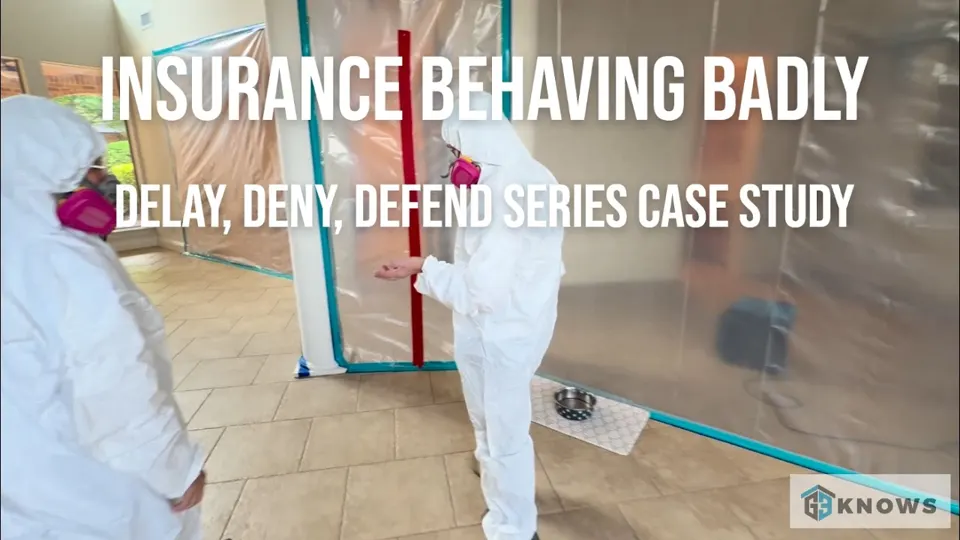
We even made a parody video about a Category 3 water loss, because sometimes you need a laugh to remember the lesson. Here's the serious version.
What Is Category 1 Water?
Category 1 is clean water. It comes from a sanitary source, like a broken supply line, an overflowing sink with clean water or a burst pipe. It's not likely to make people sick on contact.
But here's the catch: clean water doesn't stay clean forever. If it sits, travels through dirty materials or mixes with other contaminants, it can become Category 2 or 3.
What Is Category 2 Water?
Category 2 is gray water. It has some contamination and could cause discomfort or illness if people are exposed. Common sources:
- Washing machine overflows
- Dishwasher leaks
- Toilet overflows with urine but no feces
- Aquarium or waterbed leaks
- Some sump pump failures
What Is Category 3 Water?
Category 3 is grossly contaminated water, often called black water. It can contain bacteria, viruses and other harmful material. Common sources:
- Sewer backups
- Toilet overflows with feces
- Rising floodwater from rivers, creeks or storms
- Water that's been sitting long enough to grow microbes
- Ground surface water that flows into the house
Category 3 is the one to take most seriously.
Why Does Category 3 Change Everything?
Because the goal shifts from drying to removing contamination safely. On Category 3 losses:
- Porous materials usually come out. Carpet, pad, drywall, insulation and many cabinets that touched the water are typically removed rather than dried.
- Containment goes up. Plastic sheeting and air filtration help keep contamination from spreading.
- Crews wear protective gear, like gloves, boots and respirators.
- Cleaning and treatment of framing and hard surfaces is thorough.
- Contents may need cleaning or disposal.
- Testing may be needed to confirm the space is clean.
What Should I Do If I Think It's Category 3?
- Keep everyone out, especially kids, pets, elderly family members and anyone with health concerns.
- Don't touch the water without protection.
- Turn off power to the area if you can do it safely without contact with the water.
- Shut off the water or stop using fixtures if a sewer backup is the source.
- Take photos from a safe distance.
- Call a professional mitigation company. This isn't a DIY job.
If you have health concerns after exposure, talk with your doctor.
How Does CMDR Handle Category 3 Water?
CMDR Restoration, our mitigation partner (licensed by TDLR, RCO #1801), follows IICRC standards for contaminated water. That means extraction, removal of affected porous materials, cleaning and treatment of what stays, drying and, on larger losses, a protocol from an indoor environmental professional with clearance testing at the end.
Then G3 rebuilds. Learn more about the drying side in how structural drying works, and about our services on the water damage page.
What Happens to My Belongings?
Contents that touched Category 3 water are sorted. Hard, non-porous items like metal, glass and some plastics can often be cleaned and disinfected. Porous items like mattresses, upholstered furniture, stuffed toys, paper and many clothes are often not salvageable once contaminated. Photograph everything before it's removed and keep a list. It's hard to let things go, and we'll handle your belongings with care and respect.
Can Category 1 Water Become Category 3?
Yes. Time and contact with contaminants can degrade clean water. That's one more reason to act quickly. A clean-water leak left for days can become a much bigger cleanup.
Questions? Call (945) 300-9018. Use our checklist for the first 24 hours after water damage.
Frequently Asked Questions
Is floodwater always Category 3?
Rising floodwater from outside is generally treated as Category 3.
Can carpet be saved after Category 3 water?
Usually not. Carpet and pad that contacted black water are typically removed.
Is a toilet overflow Category 3?
It depends on what's in it. With feces, yes. With clean water from the tank, it may be Category 1.
Can I stay in the house?
It depends on the extent and location. The crew will help you decide what's safe.
Keep learning: see our Water Damage page, read How to Document a Water Loss the Right Way, or read what homeowners say in our customer reviews.
Know Your Next Step
Tell Us What's Happening.
We'll help you understand how G3 can help. Call (945) 300-9018 or use the button below.
GET HELP WITH WATER DAMAGE