
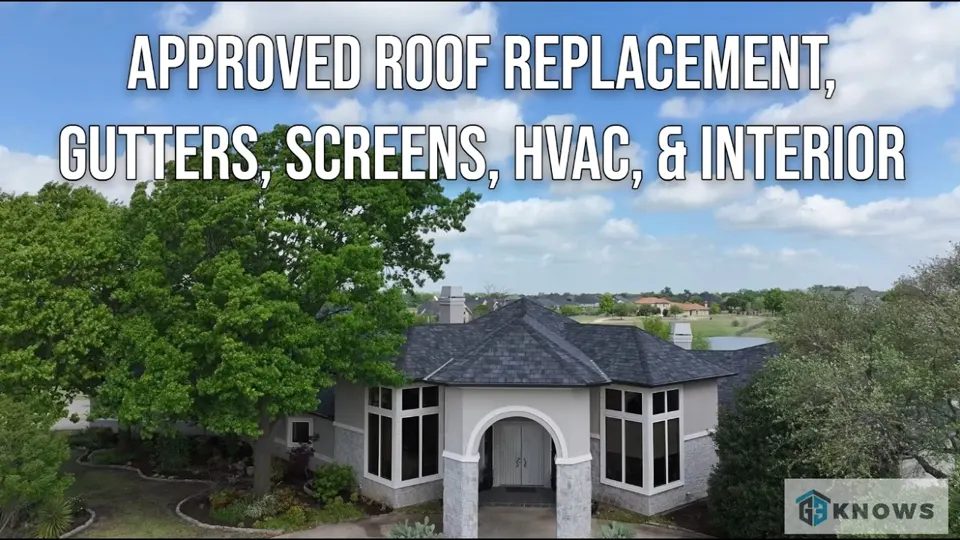
 WatchRoof Denied Chapter 1: Harvey
After a storm, everybody's in a hurry. Neighbors are talking, trucks are rolling through the street and the phone keeps buzzing. In all that noise, one thing quietly matters more than almost anything else: documentation. Matthew says it in our Roof Denied series: there needs to be a story. Good records tell your roof's story clearly.
This guide is about documenting the condition of your home. It's not advice about your policy or how to handle a claim. For those questions, talk to your carrier or agent.
Why Does Documentation Matter So Much?
Because memories fade and storms blur together. A clear record helps everyone understand:
- When the storm happened
- What hit your property, like hail, wind or both
- What was damaged, and where
- What condition the roof was in before and after
When things get missed, it's often because the documentation was thin. Matthew has seen plenty of cases where decisions were made with limited time and limited documentation.
What Should I Photograph Right After a Storm?
From the ground, safely:
- The date. Screenshot weather alerts, local news or a weather app showing the storm.
- Hail on the ground, with a coin or ruler for size, if it's still there.
- Gutters and downspouts. Dents, dings and granules collecting at the bottom.
- Roof vents, caps and metal you can see from the yard.
- Window screens and wraps. Tears, dents and holes.
- The AC condenser. Bent fins and dents.
- Fences, decks, mailboxes and patio furniture. Spatter marks and dents.
- Siding, paint and stucco.
- Any debris, like shingle pieces or ridge caps in the yard.
- Inside the house. Ceiling stains, wet insulation in the attic and any leaks.
Take wide shots first so it's clear where you are, then close-ups. Video walk-throughs are great too.
What Shouldn't I Do?
- Don't climb on the roof. Falls are serious.
- Don't throw away damaged items before photographing them.
- Don't make permanent repairs before damage is documented, unless you need to prevent more damage. If you tarp, photograph before and after and keep receipts.
- Don't rely on memory. Write down dates and names.
What Does a Contractor's Documentation Include?
On a G3 inspection, we:
- Inspect each slope and photograph damage, chalk-marking hits so they show up
- Note the shingle product and whether it's still available
- Measure the roof and note pitch, squares and features
- Document collateral damage to gutters, vents, screens, the AC unit and fences
- Note interior water damage if we see it
- Write a scope of the work needed
When a product's identity is in question, more evidence may help. In one of our Roof Denied videos, a discontinued shingle was sent to a lab, with the homeowner's permission, to identify the product. The lab letter documented that it wasn't made anymore.
How Should I Organize My Records?
Keep one folder, paper or digital, with:
- Storm date and weather evidence
- Your photos and videos, labeled by area
- Any contractor inspection reports and scopes
- Any correspondence, with dates
- Receipts for emergency repairs, like tarping
Who Handles What?
We're your contractor. We inspect, document and rebuild. We don't negotiate or adjust claims, and we don't interpret policies. If you have questions about your policy, talk to your carrier or agent. We'll make sure our documentation is clear, honest and complete.
When Should I Call G3?
As soon as it's safe after a storm, and before damage gets worse. Learn more on our roof inspection page and our roofing and storm damage page. Read how to tell if your roof has hail damage for what to look for. Call (945) 300-9018.
Frequently Asked Questions
How soon should I document storm damage?
As soon as it's safe. The sooner, the clearer the story.
Are phone photos good enough?
Yes. Clear, well-lit photos with wide and close shots work well.
Should I keep damaged shingles I find in the yard?
Photograph them and hold onto them. They're part of the record.
Does G3 send documentation to my carrier?
We provide our inspection findings and scope to you. Ask us how we can help with that.
Keep learning: see our Roofing & Storm Damage page, read Class 3 Shingle Colors: Four Neighbors, One Storm, or read what homeowners say in our customer reviews.
Know Your Next Step
Tell Us What's Happening.
We'll help you understand how G3 can help. Call (945) 300-9018 or use the button below.
SCHEDULE AN INSPECTION